Medical Abortion with Mifepristone and Misoprostol: A Comprehensive Guide
1. Introduction
Unsafe abortions remain a global health concern. Modern medicine, however, has made medical abortion a safe, effective, and accessible option. Since the introduction of Mifepristone and Misoprostol in 1988, millions of women have relied on this combination for early pregnancy termination with professional supervision.
Today, Medical Termination of Pregnancy (MTP) using these medications is approved across multiple regions, including the U.S., U.K., and Europe, ensuring both safety and reliability.
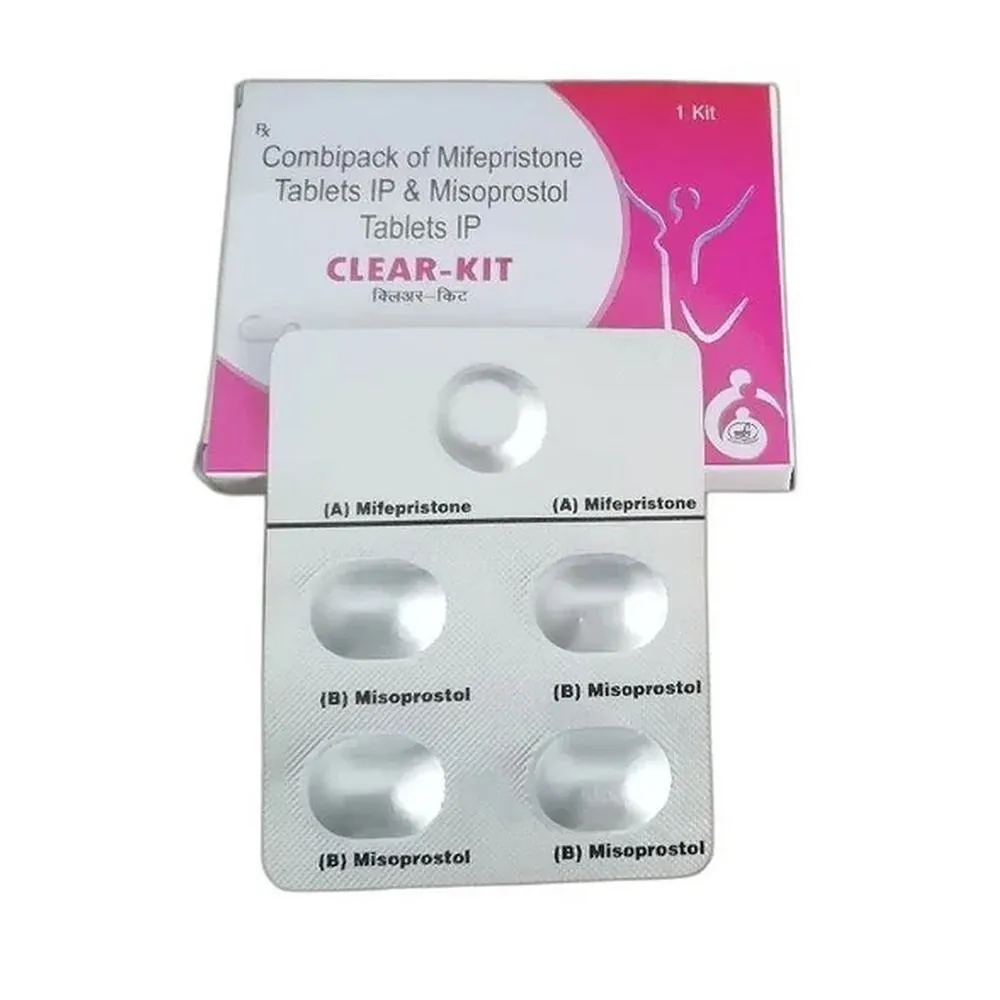
At MedicarePharm, we provide access to authentic abortion pill kits such as MTP Kit, Combipack Mifepristone + Misoprostol, and AntiPREG Kit, each containing the recommended doses for a medically guided abortion.
2. Evolution of Medical Abortion
Historically, natural substances and herbal remedies were used to induce abortion but often led to serious complications. The discovery of prostaglandins and the subsequent development of Mifepristone revolutionized abortion care, allowing for safe, non-surgical pregnancy termination.
The combination of Mifepristone, which blocks progesterone, and Misoprostol, which causes uterine contractions, created a scientifically proven, effective regimen for medical abortion up to 77 days (11 weeks).
3. Understanding the Medications
Mifepristone (200 mg)
Works by blocking the hormone progesterone, which is essential for sustaining pregnancy.
Causes the uterine lining to break down, ending the pregnancy’s development.
Misoprostol (800 mcg)
A prostaglandin analog that triggers uterine contractions and cervical softening.
Helps expel the pregnancy tissue naturally within hours of administration.
Both medications are approved by the FDA, WHO, and leading global medical bodies for early-stage pregnancy termination.
4. How the Combination Works
Day 1 – Mifepristone (200 mg): Taken orally with water.
Day 3 – Misoprostol (800 mcg): Administered 24–48 hours later, either orally, buccally, sublingually, or vaginally.
Day 14 – Follow-up: A medical evaluation or ultrasound ensures the abortion is complete.
This method is effective in over 95–98% of cases for pregnancies up to 11 weeks and provides a private, non-surgical option when taken under medical supervision.
5. Safety, Side Effects, and Contraindications
The regimen is generally well-tolerated, with temporary side effects such as cramping, nausea, dizziness, or mild fever.
Medical supervision is important to rule out conditions like ectopic pregnancy or severe anemia.
Avoid using these medications if you have:
Known allergies to Mifepristone or Misoprostol
Ectopic pregnancy (outside the uterus)
Bleeding disorders or chronic adrenal failure
An IUD currently in place
If heavy bleeding or incomplete abortion occurs, medical attention is required to prevent complications.
6. Counseling and Aftercare
Proper counseling ensures emotional and physical safety during a medical abortion. Patients should be informed about:
Expected bleeding for 10–14 days, similar to a heavy menstrual period.
The possibility of seeing tissue or clots, which is normal.
The importance of a follow-up consultation after 14 days to confirm completion.
Once recovery is confirmed, patients should begin contraceptive use immediately to prevent future unplanned pregnancies.
7. Efficacy and Clinical Outcomes
Clinical studies show that when Mifepristone (200 mg) is followed by Misoprostol (800 mcg), complete abortion occurs in over 97% of women. Only a small percentage (<3%) may require surgical intervention due to incomplete expulsion or continued pregnancy.
The regimen’s efficacy and safety are comparable across the U.S., U.K., and European guidelines, supported by organizations such as WHO and the Royal College of Obstetricians and Gynaecologists (RCOG).
8. Post-Abortion Care and Contraception
Ovulation can occur as early as two weeks after abortion, making contraception essential. Women may use oral contraceptives, IUDs, condoms, or hormonal injections immediately after confirmation of a complete abortion.
Avoid sexual intercourse until bleeding has stopped to reduce infection risk and ensure full recovery.
9. Key Advantages of Medical Abortion
✅ Non-surgical and safe: Eliminates the need for anesthesia or invasive procedures.
✅ High success rate: 95–98% for pregnancies up to 11 weeks.
✅ Private and accessible: Can be completed at home under guidance.
✅ Medically approved: Backed by global research and clinical trials.
✅ Emotionally supported: Counseling and follow-up ensure holistic care.
10. Summary
Medical abortion using Mifepristone and Misoprostol represents a significant advancement in women’s reproductive healthcare. It is safe, effective, and medically supervised, allowing women to manage early pregnancy termination with confidence and privacy.
At MedicarePharm, we are committed to providing authentic abortion pill kits, professional guidance, and discreet delivery across the U.S., U.K., and Europe — ensuring safe access to quality reproductive care.